Are Massage Chairs Worth It for Daily Use?
Yes — a massage chair is worth it for daily use: a mid-to-premium-tier chair pays for itself in about a year compared to weekly massage therapy, and quality chairs commonly last 10-15 years with proper care. Daily use is the usage pattern where the math works best, because the chair's one-time cost is spread across thousands of sessions, bringing the per-massage cost down to pennies rather than dollars. The break-even case gets weaker only if the chair will sit unused — occasional users are better served by the budget tier or by paying per session.
Prices change frequently on Amazon and are not shown here per Amazon Associates policy — use the price-check links to confirm current pricing.
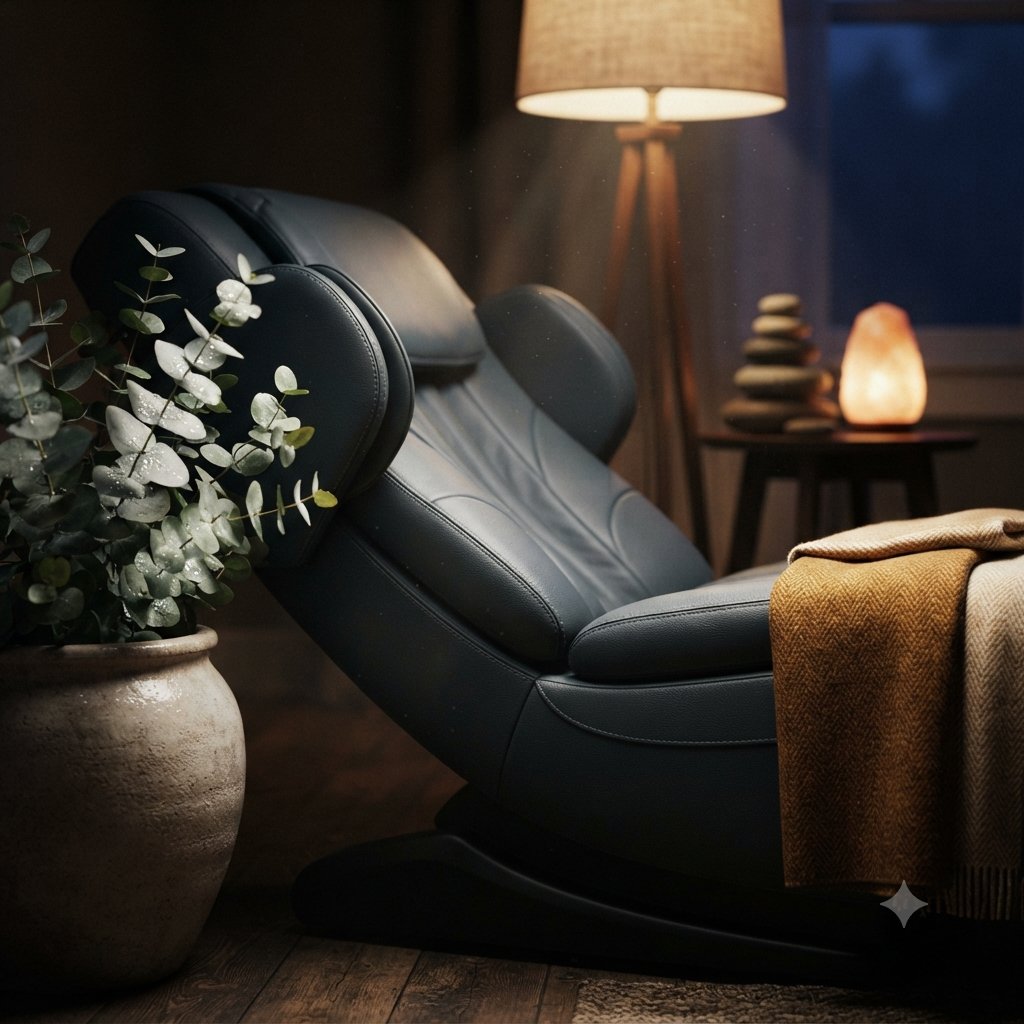
The break-even math for daily use
The value case comes down to one comparison: a recurring per-session fee versus a one-time purchase spread over the chair's working life. Weekly professional massage carries the highest ongoing cost of any option we track — a recurring fee for every single session, forever. A massage chair inverts that: one purchase, then effectively free sessions for as long as the chair lasts.
| Option | Cost pattern | Per-massage cost over time |
|---|---|---|
| Weekly professional massage (1 year) | Highest ongoing cost — recurring per-session fee | Never decreases |
| Sub-premium chair (10-year life, daily use) | One-time purchase | Lowest cost-per-session |
| Premium chair (10-year life, daily use) | One-time purchase | Low cost-per-session |
| Flagship chair (15-year life, daily use) | One-time purchase | Still a fraction of therapy cost |
Two variables drive the outcome: how often you actually sit in the chair, and how long it lasts. Quality massage chairs commonly last 10-15 years with proper care, and most manufacturers back that with multi-year limited warranties on parts and labor. At daily frequency across a 10-year life, that is thousands of sessions against one purchase.
What daily users should look for
Daily use raises the bar on the features that determine whether sessions stay genuinely useful or turn into novelty:
- 3D rollers minimum. 2D rollers move up/down and side-to-side only; 3D rollers add in/out depth so they can press deeper into muscles. We recommend 3D as the floor for therapeutic daily use — 4D adds variable speed and rhythm on top for the most human-like feel. See our full 2D vs 3D vs 4D roller breakdown.
- SL-Track or better. A basic S-Track covers about 30 inches from neck to lower back; an SL-Track extends the roller path to roughly 50+ inches, down through the glutes. Daily users notice the difference — details in our SL-Track vs S-Track explainer.
- Zero-gravity recline. Elevating the legs above heart level — a posture derived from NASA astronaut launch positioning — is associated with reduced spinal disc compression during sessions.
- Heated rollers in the lumbar zone. Heat is used to increase local blood flow and help loosen tight muscle tissue before or during a session.
Every chair in our 2026 rankings clears the track-coverage bar, and the field spans budget tier through flagship. You can also browse current zero-gravity massage chairs on Amazon to see what each tier looks like today.
When a chair is not worth it
The honest counter-case: the math above assumes the chair gets used. If you expect occasional rather than daily sessions, the budget tier — like the Real Relax Favor-06 in our rankings — is the smarter entry point, and heavy chairs need real floor space, so measure before you buy. And this is a wellness purchase, not a medical device: consult a doctor before massage chair use if you have osteoporosis, a blood clotting disorder, are pregnant, have a pacemaker, or have had recent surgery.
Verdict
For anyone who will genuinely sit in it most days, a massage chair is one of the rare high-ticket wellness purchases where the arithmetic is straightforward: about a year to break even against weekly professional massage, then a decade or more of near-free sessions. Start with our best massage chairs of 2026 or the buying guide if you want the full feature walkthrough.
Frequently Asked Questions
Yes — daily use is exactly the usage pattern where a massage chair makes the most financial sense. A mid-to-premium-tier chair pays for itself in about a year compared to weekly massage therapy, and quality chairs commonly last 10-15 years with proper care, which brings the per-massage cost down to pennies rather than dollars.
Quality massage chairs commonly last 10-15 years with proper care and use, and most manufacturers offer multi-year limited warranties on parts and labor. Premium chairs from established brands sit at the upper end of that range.
For daily therapeutic use we recommend 3D rollers as the minimum — they add in/out depth that 2D rollers lack. Beyond roller tech, look for SL-Track or L-Track coverage (roughly 50+ inches versus about 30 inches for a basic S-Track), zero-gravity recline, and heated rollers in the lumbar zone.
Consult a doctor before massage chair use if you have osteoporosis, a blood clotting disorder, are pregnant, have a pacemaker, or have had recent surgery. This applies to any usage frequency, not just daily sessions.
Sources & Methodology
This analysis is research-based, built from manufacturer specifications and live Amazon product listings for the chairs this site covers, plus manufacturer warranty documentation. We do not physically test the chairs we cover. We never quote exact prices or Amazon star ratings per Amazon's Associates policy — confirm current pricing on the live listing.
Last updated: August 5, 2026.